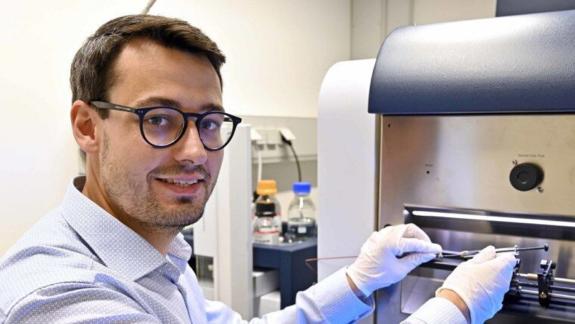
High-resolution mass spectrometry for decoding the human proteome
The human genome encodes the blueprint for thousands of proteins. Proteins are the molecular workers of our cells and, taken together (the proteome), determine their identity, state and function. They enable cells to generate energy, process signals and perform specific biological functions. Each of the more than 100 trillion cells in the human body possesses a unique proteome, which is constantly changing as proteins are synthesised, degraded or biochemically modified. Changes to the proteome and cellular signalling pathways are also hallmarks of many diseases and may hold the key to new therapeutic approaches. Our research focuses on the development of new technologies for the identification and quantification of proteins and their modifications in cells, biofluids and tissues derived from clinical samples.
Further information can be found on the Functional Proteome Analysis Research Group’s website .