How old is your brain? From brain age to the menopause
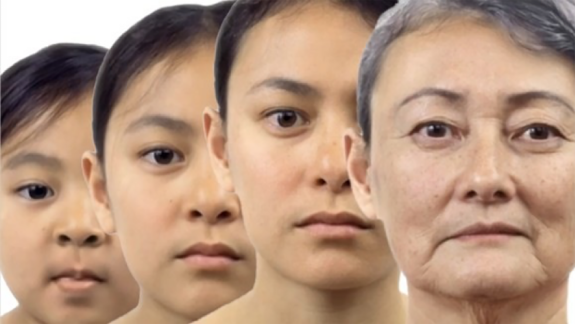
A glance at a person’s face is enough for us to estimate their age quite accurately. But how old is the brain, actually? In this talk, we’ll show how a method we’ve developed – which uses MRI scans and machine learning – can be used to determine brain age. We’ll also explain what it means when the brain appears younger or older than the person actually is. Using clear examples, we’ll show that lifestyle and health leave traces in the brain that are just as visible as those on the face. The talk explains how such models work and why they are becoming increasingly important in research – for instance, in the early detection of age-related changes.
We then draw a parallel with a phase of life characterised by profound hormonal changes: the menopause. In doing so, we introduce the EU-funded MenoBrain doctoral network, coordinated by Jena University Hospital. The aim is to gain a better understanding of how this stage of life affects memory, emotional processing and cognitive health, and which factors may potentially protect the brain.
In our talk and at our information stand, we will present the MenoBrain project in more detail, as well as the three research projects being carried out at the Jena University Hospital.
Homepage of the MenoBrain doctoral network