Extinct—Lost Forever? How to Decipher Foreign Scripts
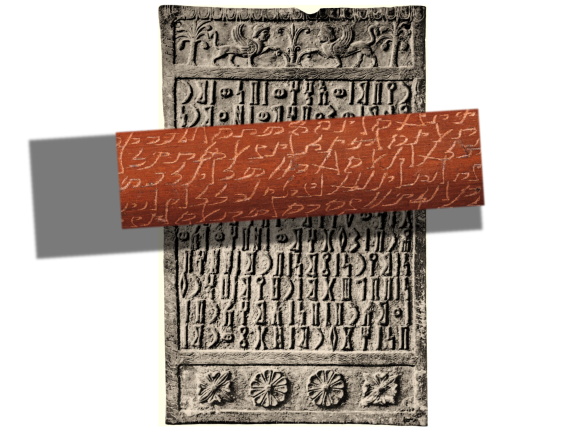
The Arabian Peninsula is a region of writing—and not just because of the language of the Quran! As early as 3,000 years ago, people in Arabia were writing extensively—in a wide variety of languages and scripts. Most of these writing cultures came to a halt in pre-Islamic times, and their scripts thus fell into oblivion. It wasn’t until the early 19th century that they were rediscovered, and the struggle to decipher them continues to this day: The most recent successful attempt to decipher a group of ancient inscriptions from present-day Oman took place just last year (2025)!
The decipherment of cuneiform and hieroglyphs went more quickly, didn’t it? So what exactly makes working with Arabic scripts so complicated—especially since these are “only” alphabets with at most 29 letters? After all, the underlying languages are just as “dead” as Babylonian or Ancient Egyptian! So there must be other reasons why certain scripts are harder to “crack.” Perhaps it also has something to do with different handwriting styles (keyword: chicken scratch)? This lecture takes you through 200 years of research history and shows how the mystery of the millennia-old written records from “Fortunate Arabia” was finally solved.