What will tomorrow’s energy supply look like—and what aspects of it are already a reality in Jena today? The City of Jena’s exhibition “ENERGY—WHAT MOVES US” provides answers to these and other questions about the energy transition.
Insects are by far the most species-rich class of animals. They inhabit the most unusual habitats. But what makes them so successful? We introduce the subjects of our research and discuss their lifestyles and their contribution to science.
The immune system fights dangerous pathogens with tremendous force, but some of them put up a fight! Conduct your own catalase test and trigger a yeast eruption in our lab to see how yeast resists these attacks.
Time
18:00 - 24:00 o'clock
Gebiet
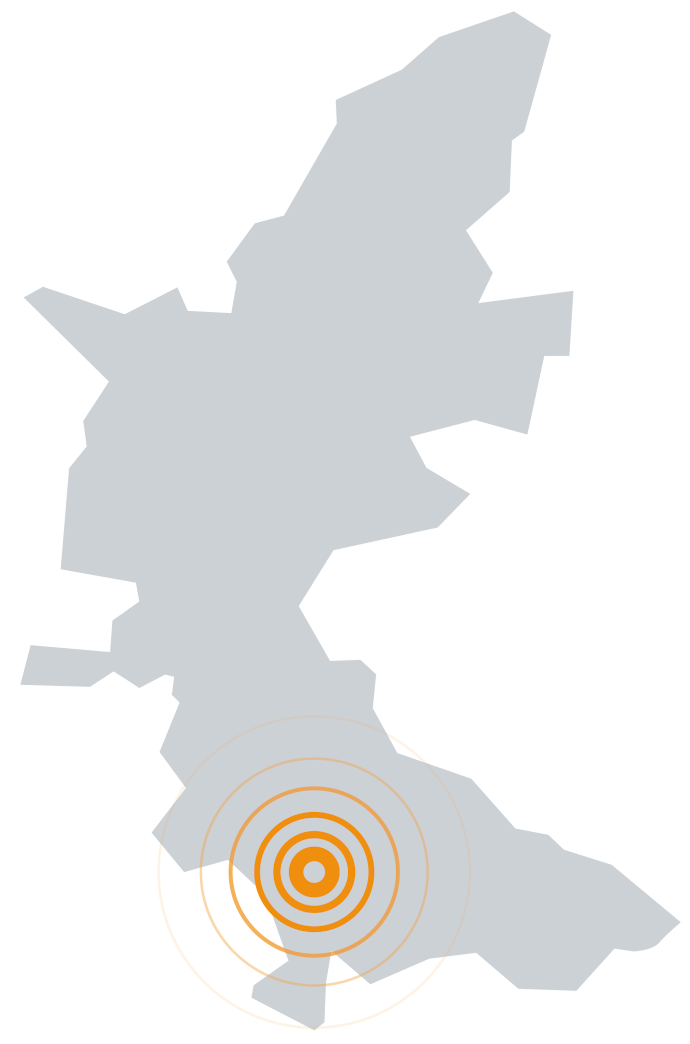
Beutenberg Campus/ Carl-Zeiss-Promenade
Organizer
Leibniz-Institut für Naturstoff-Forschung und Infektionsbiologie – Hans-Knöll-Institut
We’ll give you a glimpse into our research on molds and show you how we’re searching for new antibiotics. You’ll learn how we work safely with molds in the lab and discover the fascinating “language” of microorganisms.
Time
18:00 - 24:00 o'clock
Gebiet
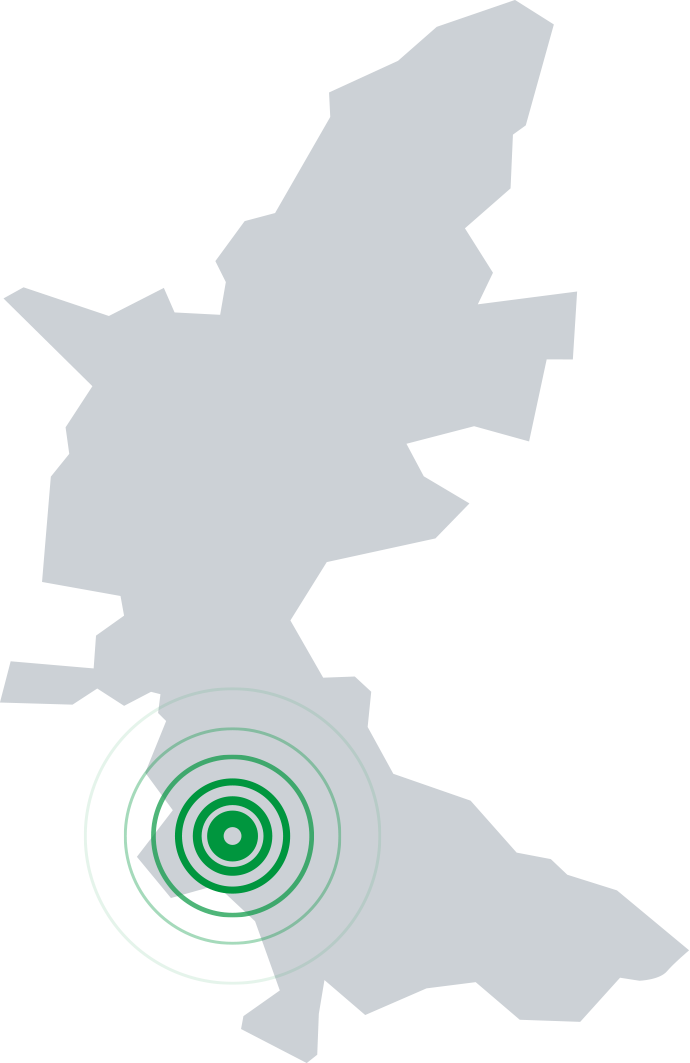
Beutenberg Campus/ Carl-Zeiss-Promenade
Organizer
Leibniz-Institut für Naturstoff-Forschung und Infektionsbiologie – Hans-Knöll-Institut
RNA is a central pillar of molecular biology. Join the “RNA Biology of Fungal Infections” Junior Research Group on an adventure into the world of RNA and infection biology through playful activities for young and old.
Time
18:00 - 24:00 o'clock
Gebiet
Beutenberg Campus/ Carl-Zeiss-Promenade
Organizer
Leibniz-Institut für Naturstoff-Forschung und Infektionsbiologie – Hans-Knöll-Institut
witelo and Imaginata are visiting JEDI to showcase their favorite experiments: Together with the JenaWirtschaft team and students from the Carl-Zeiss-Gymnasium, we invite you to experiment, marvel, and join in the fun.
Time
18:00 - 24:00 o'clock
Gebiet
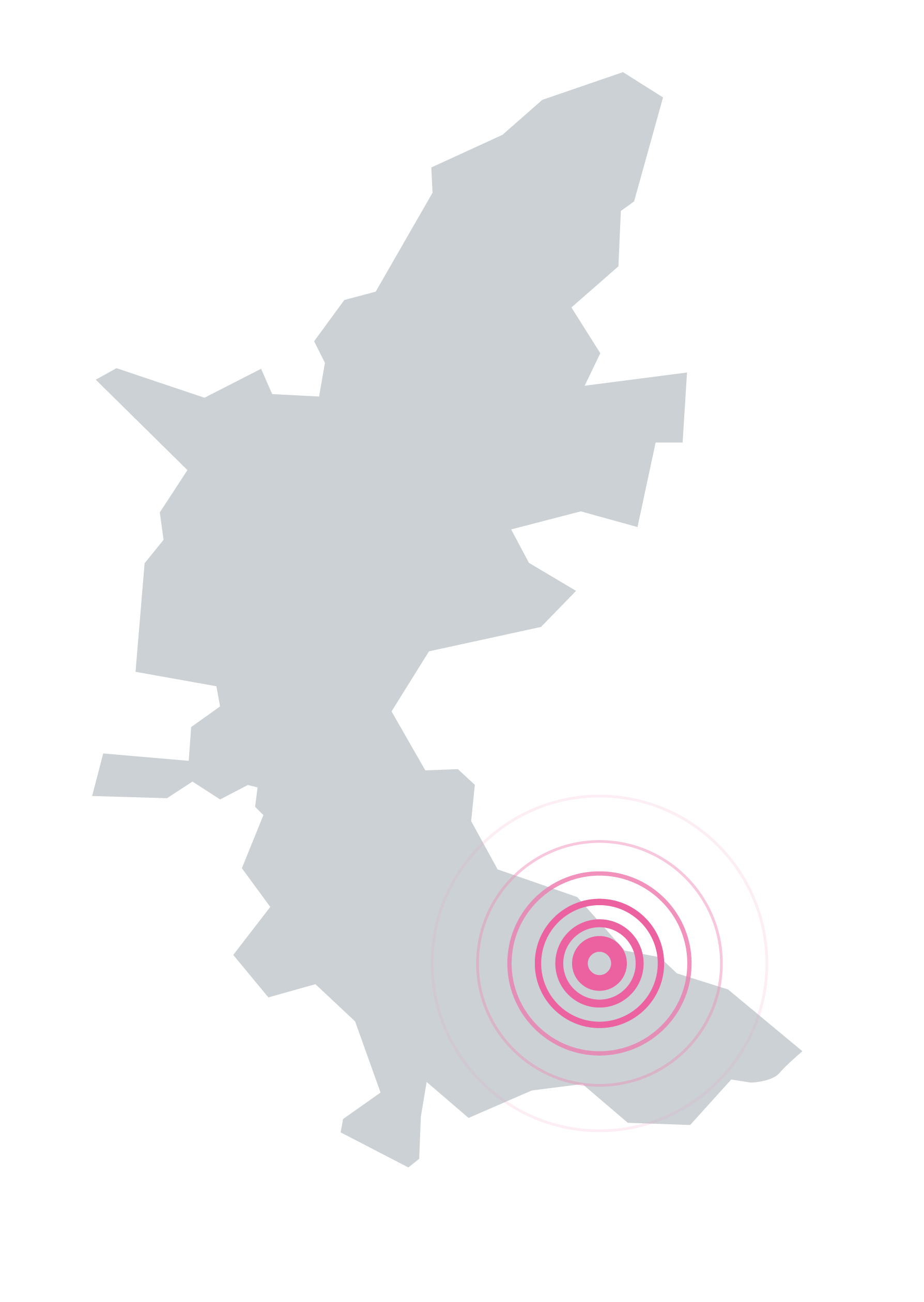
Stadtzentrum
Organizer
witelo e.V. - wissenschaftlich-technische Lernorte in Jena,ImaginataandWirtschaftsförderungsgesellschaft Jena mbH
Artistically crafted specimens and easy-to-understand models convey the fundamentals of anatomy and offer fascinating insights into the body’s inner workings. The historical significance of this 200-year-old collection can be experienced, for example, through Goethe’s intermaxillary specimens.