What will tomorrow’s energy supply look like—and what aspects of it are already a reality in Jena today? The City of Jena’s exhibition “ENERGY—WHAT MOVES US” provides answers to these and other questions about the energy transition.
Magnetic resonance imaging (MRI)—one of the most important imaging techniques—why does a scan take so long? Where do the noises come from? How strong is the static magnetic field?
Time
18:00 - 24:00 o'clock
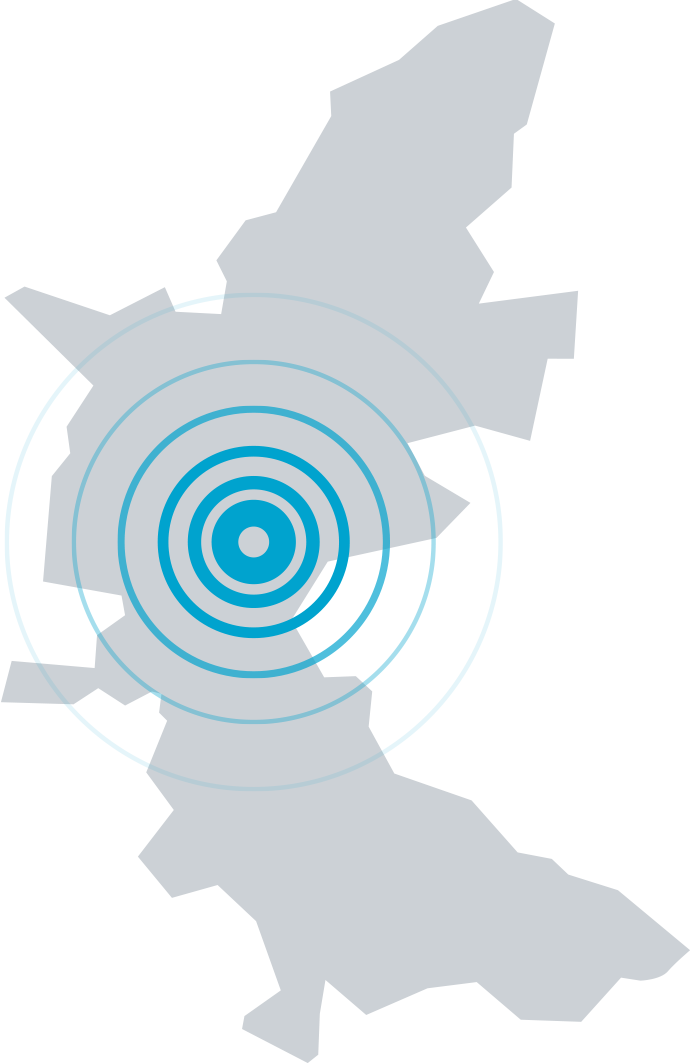
Gebiet
Lobeda
Organizer
Universitätsklinikum JenaandInstitut für Diagnostische und Interventionelle Radiologie
Insects are by far the most species-rich class of animals. They inhabit the most unusual habitats. But what makes them so successful? We introduce the subjects of our research and discuss their lifestyles and their contribution to science.
What holds the world together at its very core? To use ores, water, and energy resources sustainably over the long term, we need to understand exactly that. What is the Earth made of, and how was it formed? What processes take place within and on its surface? How do we know this?
Time
18:00 - 24:00 o'clock
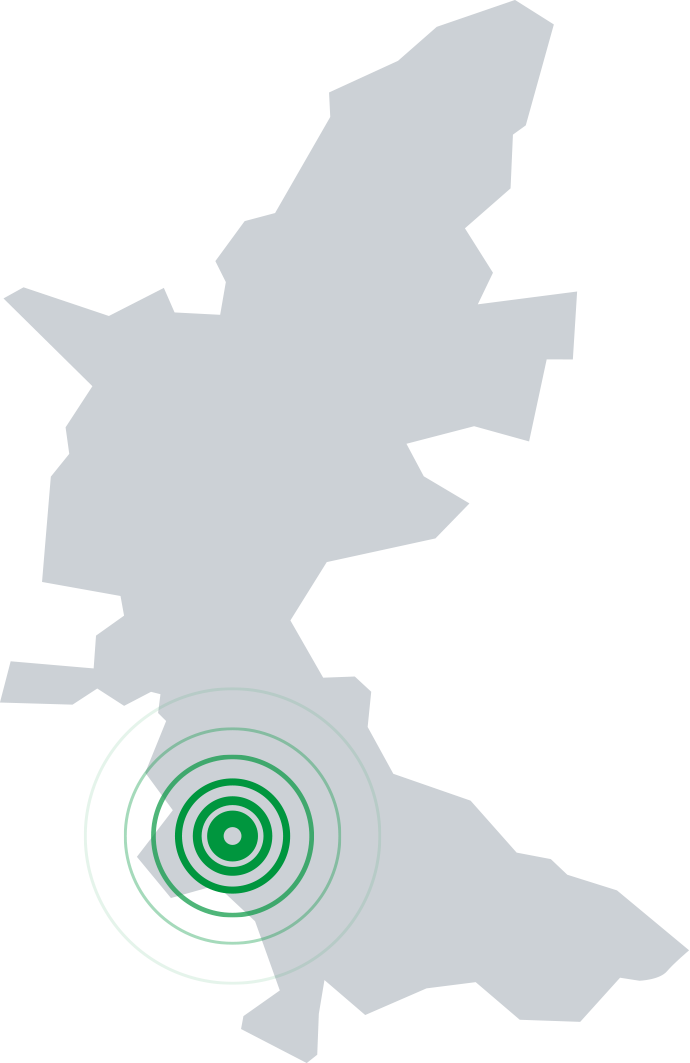
Gebiet
Stadtzentrum
Organizer
Friedrich-Schiller-Universität JenaandInstitut für Geowissenschaften
Glass research and manufacturing, preform production, fiber drawing, fiber post-processing, characterization, and fiber applications—the Leibniz-IPHT Center of Excellence brings together the entire value chain for specialty optical fibers under one roof.
Time
18:00 - 24:00 o'clock
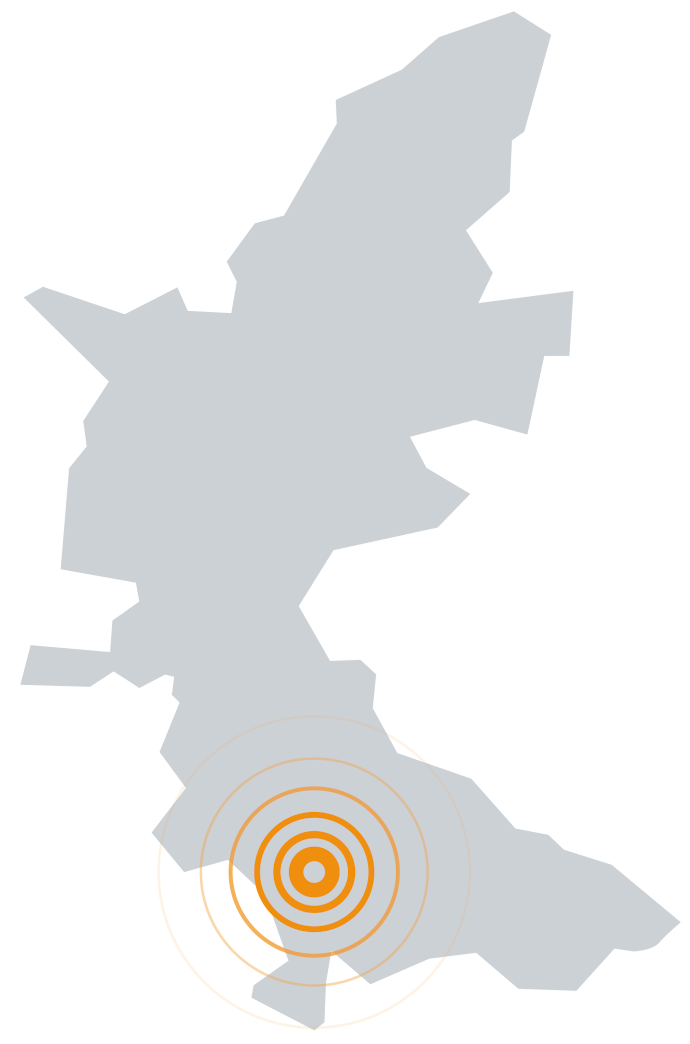
Gebiet
Beutenberg Campus/ Carl-Zeiss-Promenade
Organizer
Leibniz-Institut für Photonische Technologien e.V.
Y-Space is a research project aimed at developing a UAV carrier platform capable of briefly generating true microgravity (≤ 0.1 g, up to 10 seconds, 3 kg payload). The goal is to create a mobile, cost-effective alternative to parabolic flights.
The exhibition "Images & Building Blocks" focuses on birds and insects. Through his documentary nature photography, Hubert Mahr aims to highlight the fascinating diversity of local habitats and draw attention to details that are often overlooked.
Discover how microbes from the past help us find the antibiotics of the future! At Paleo Park, we travel back thousands of years, searching fossil DNA for the blueprints of new bioactive compounds.
Time
18:00 - 24:00 o'clock
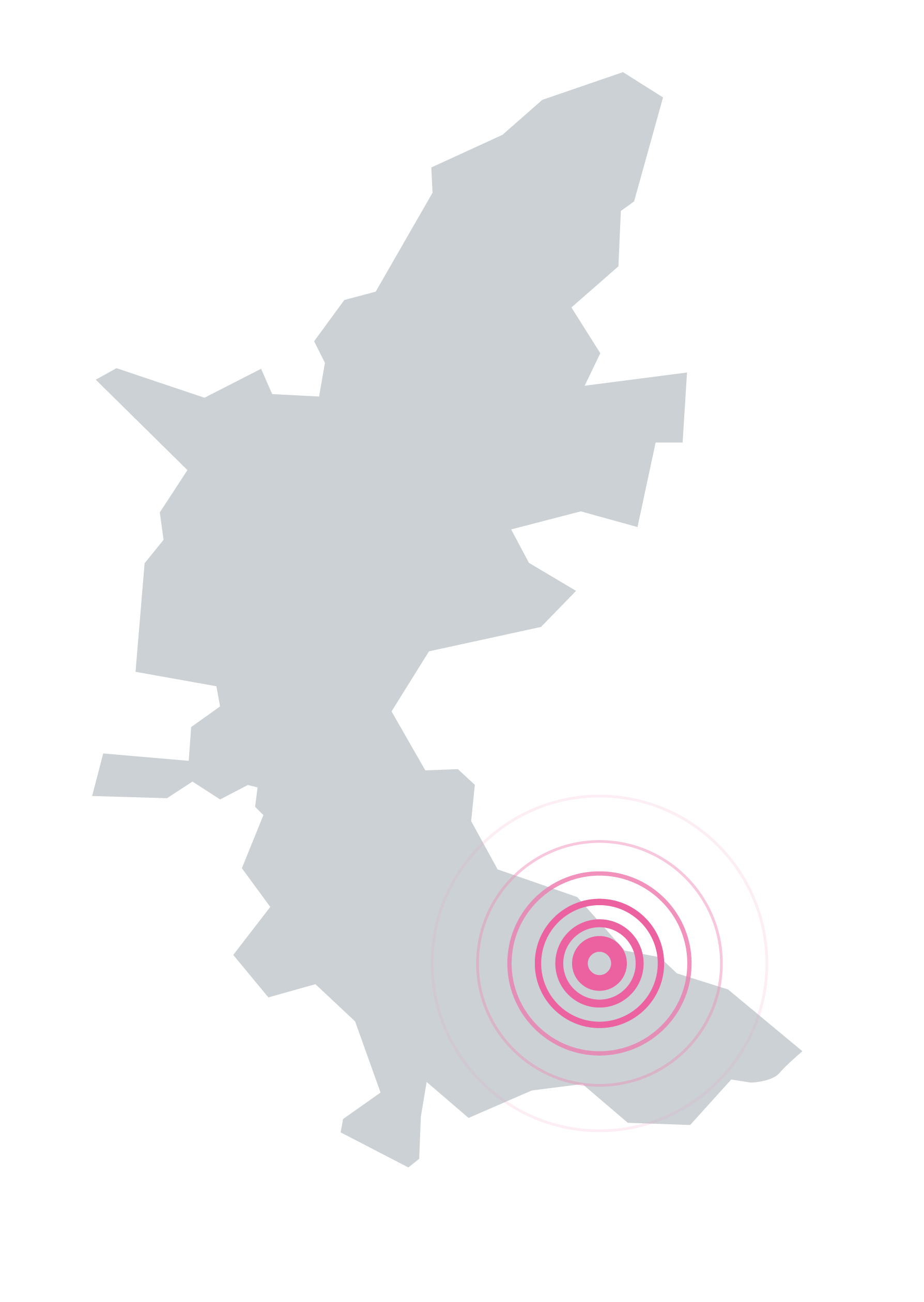
Gebiet
Beutenberg Campus/ Carl-Zeiss-Promenade
Organizer
Leibniz-Institut für Naturstoff-Forschung und Infektionsbiologie – Hans-Knöll-Institut
What might current concepts and technologies for local supply look like? During hourly lab tours, we showcase digital applications, smart store technologies, and research approaches at the Local Supply Real-World Lab.