Shake, glow, and be amazed! With UV light, blue liquid, and steaming ice, nature turns into a magical land. Become a researcher yourself—because curiosity is the magic of science!
Deep in the Amazon rainforest stands an observation tower as tall as the Eiffel Tower in Paris. In our lobby, you can climb a model of the Amazon Tall Tower Observatory and learn about the research project at the same time.
Discover how a hair-thin glass fiber can be transformed into a tiny camera or even a microscope, helping neuroscientists better understand how the brain works.
Time
18:00 - 24:00 o'clock
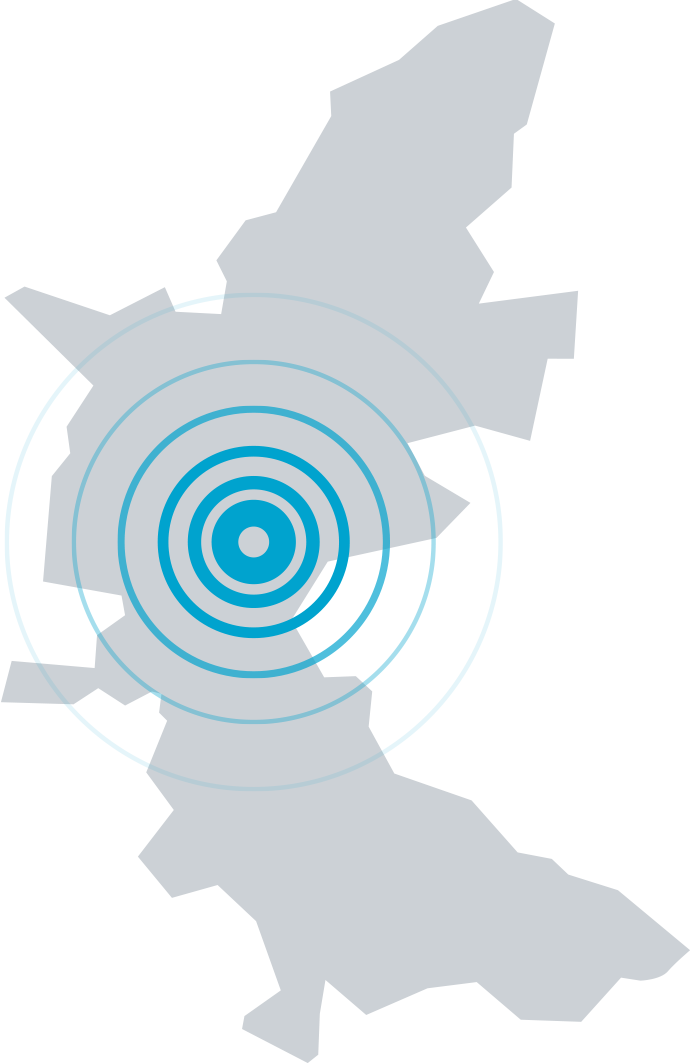
Gebiet
Beutenberg Campus/ Carl-Zeiss-Promenade
Organizer
Leibniz-Institut für Photonische Technologien e.V.
Ants are social insects that live in colonies ranging from a dozen individuals to millions of workers. Discover the tiny world and the diversity of forms, shapes, and diets of these fascinating insects!
Many species have deadly defense mechanisms, but some animals are immune to toxins. Discover these resilient creatures and see how nature repeats itself. Also, explore the impact on history and art.
A diverse program of events is taking place in the institute’s lecture halls and laboratories: Why do mountain ranges form in Central Asia? What is the diversity of fossils found in the biosphere? How and why do rocks fold? How do we use underground storage facilities? ... and more
Time
18:00 - 23:30 o'clock
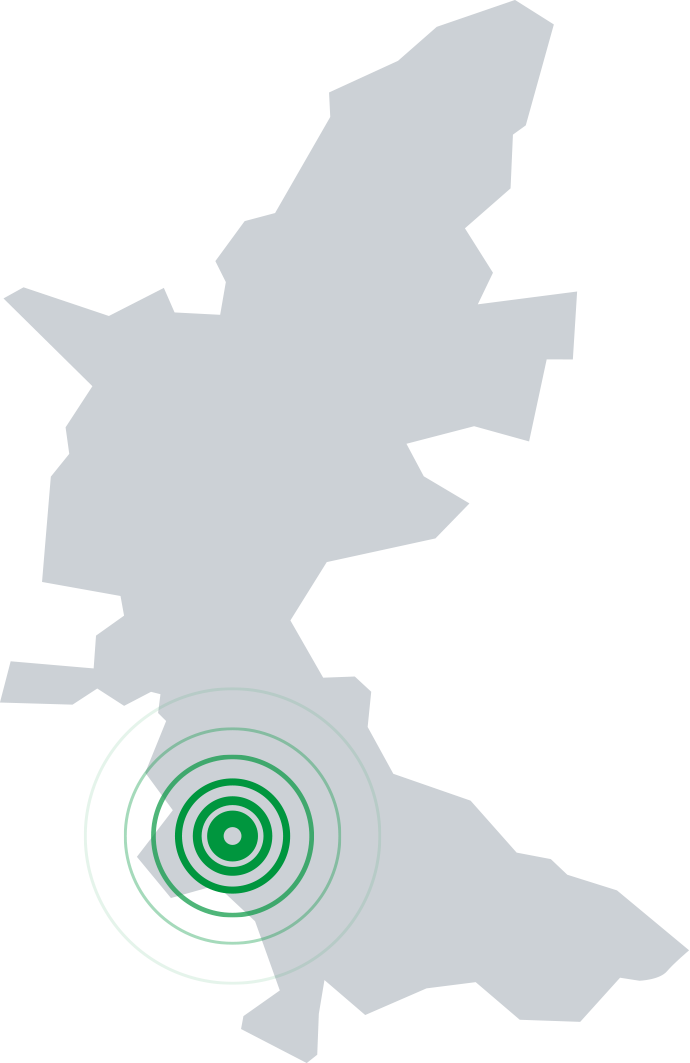
Gebiet
Stadtzentrum
Organizer
Friedrich-Schiller-Universität JenaandInstitut für Geowissenschaften
ZEISS planetariums make the universe accessible and understandable to everyone around the world. We’ll take you on a journey through the depths of space and show you how modern knowledge comes to life in the planetarium.
Magnetic resonance imaging (MRI)—one of the most important imaging techniques—why does a scan take so long? Where do the noises come from? How strong is the static magnetic field?
Time
18:00 - 24:00 o'clock
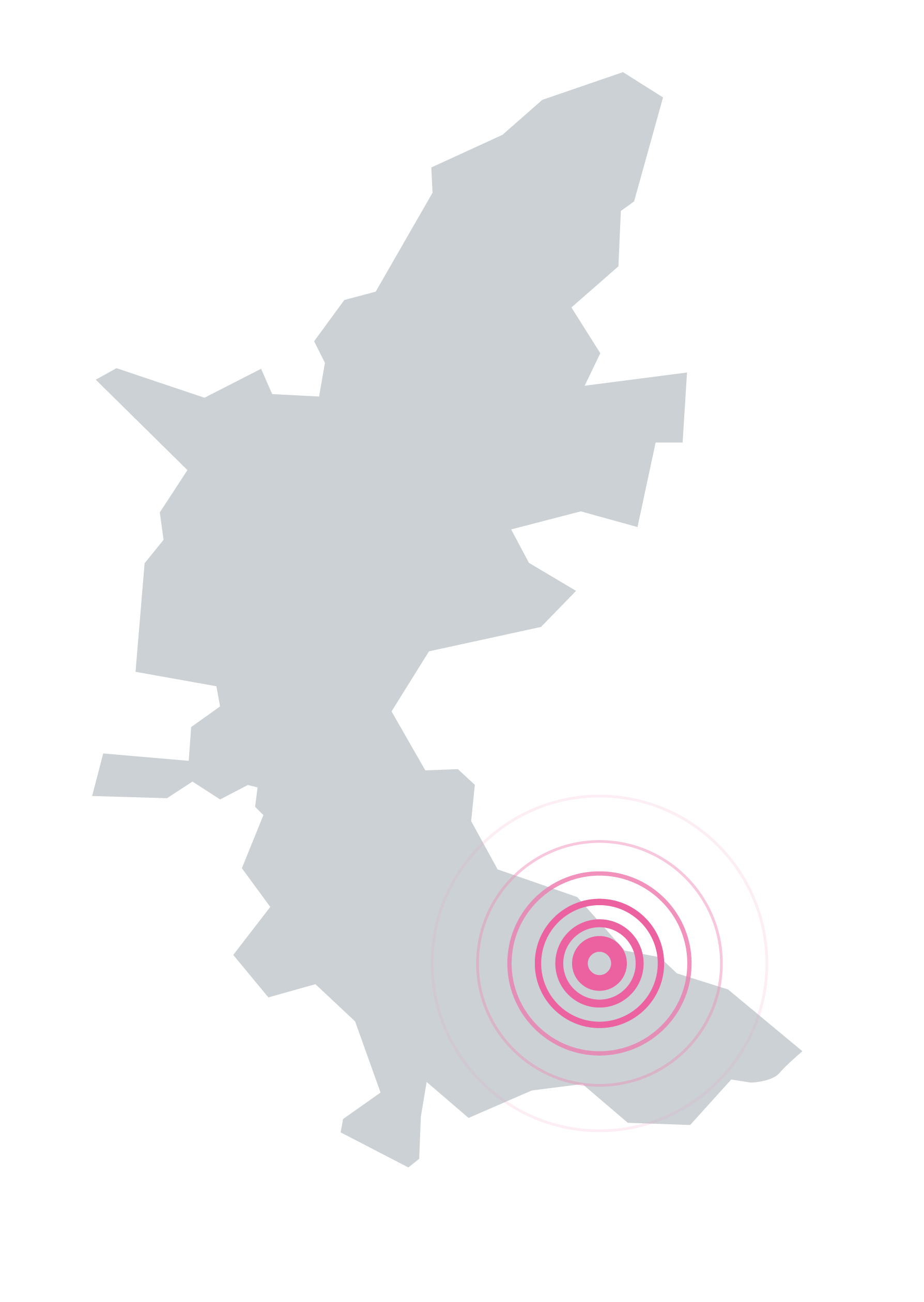
Gebiet
Lobeda
Organizer
Universitätsklinikum JenaandInstitut für Diagnostische und Interventionelle Radiologie