What will tomorrow’s energy supply look like—and what aspects of it are already a reality in Jena today? The City of Jena’s exhibition “ENERGY—WHAT MOVES US” provides answers to these and other questions about the energy transition.
Magnetic resonance imaging (MRI)—one of the most important imaging techniques—why does a scan take so long? Where do the noises come from? How strong is the static magnetic field?
Time
18:00 - 24:00 o'clock
Gebiet
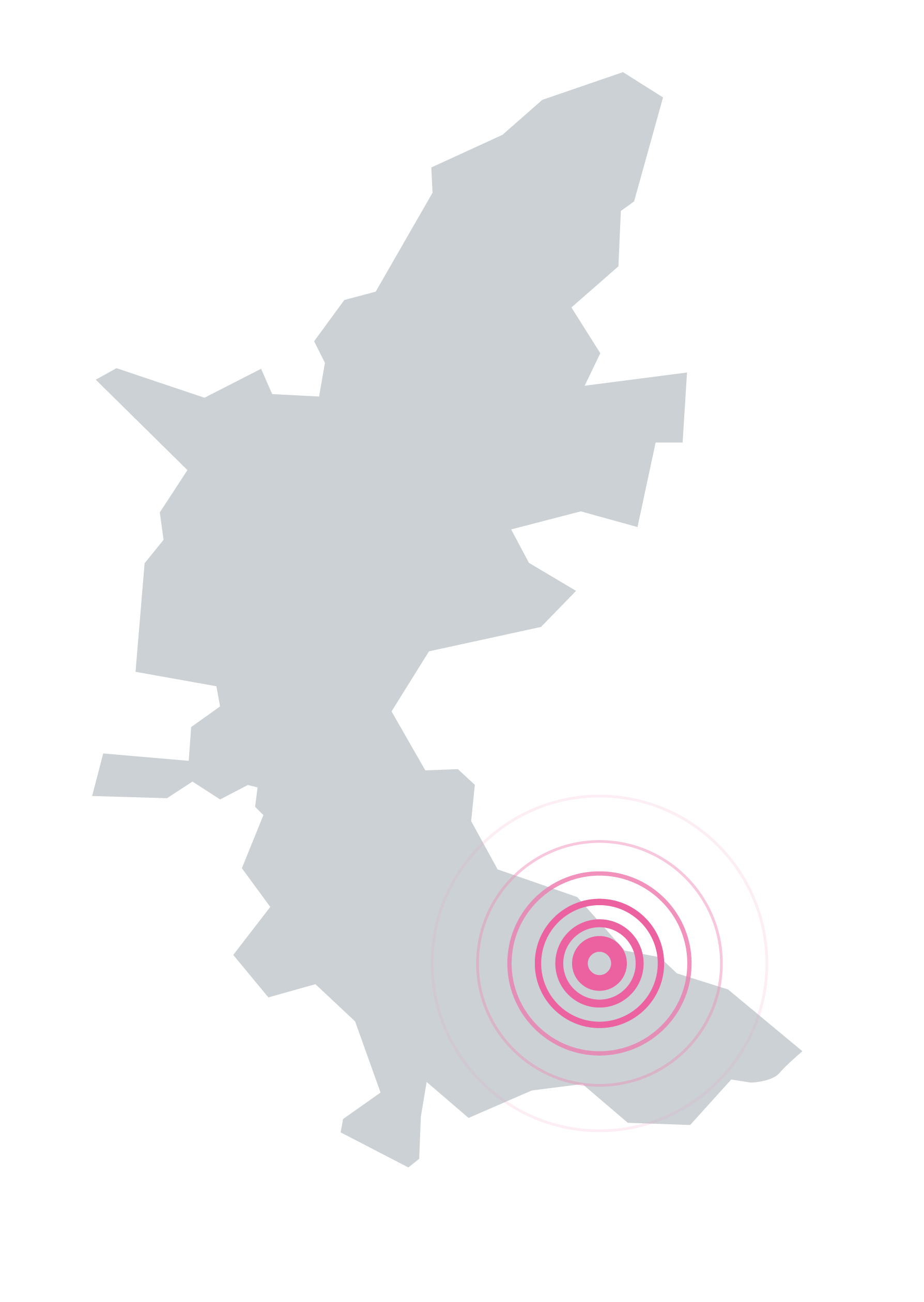
Lobeda
Organizer
Universitätsklinikum JenaandInstitut für Diagnostische und Interventionelle Radiologie
ZEISS planetariums make the universe accessible and understandable to everyone around the world. We’ll take you on a journey through the depths of space and show you how modern knowledge comes to life in the planetarium.
The ELLIS Unit in Jena demonstrates how AI is used to investigate complex relationships in the environment, health, and technology: Why do ecosystems change? What do medical data reveal? How can energy and mobility systems be better planned?
Time
18:00 - 24:00 o'clock
Gebiet
Stadtzentrum
Organizer
Friedrich-Schiller-Universität JenaandInstitut für Informatik
Collection items, forest maps, museum inventories: Experience firsthand how we’re using AI to digitally catalog Thuringia’s cultural treasures. And beneath the ThULB, the Fürstenkeller—dating back to 1532—awaits exploration—one of the largest vaulted cellars in Germany.
Time
18:00 - 21:30 o'clock
Gebiet
Stadtzentrum
Organizer
Friedrich-Schiller-Universität JenaandThüringer Universitäts- und Landesbibliothek
Glass research and manufacturing, preform production, fiber drawing, fiber post-processing, characterization, and fiber applications—the Leibniz-IPHT Center of Excellence brings together the entire value chain for specialty optical fibers under one roof.
Time
18:00 - 24:00 o'clock
Gebiet
Beutenberg Campus/ Carl-Zeiss-Promenade
Organizer
Leibniz-Institut für Photonische Technologien e.V.
How are high-precision components made from modern materials? See firsthand how 5-axis CNC machines are used to manufacture complex free-form optical surfaces with the highest precision and to finish ceramic-printed watch components.
What impact do solar storms have on our technical infrastructure? How can small satellites be assembled more efficiently in the future? And how will smart greenhouse systems ensure the supply of future missions to the Moon and Mars?
Time
18:00 - 24:00 o'clock
Gebiet
Stadtzentrum
Organizer
Deutsches Zentrum für Luft- und Raumfahrt – DLR-Institut für Datenwissenschaften