A diverse program of events is taking place in the institute’s lecture halls and laboratories: Why do mountain ranges form in Central Asia? What is the diversity of fossils found in the biosphere? How and why do rocks fold? How do we use underground storage facilities? ... and more
Time
18:00 - 23:30 o'clock
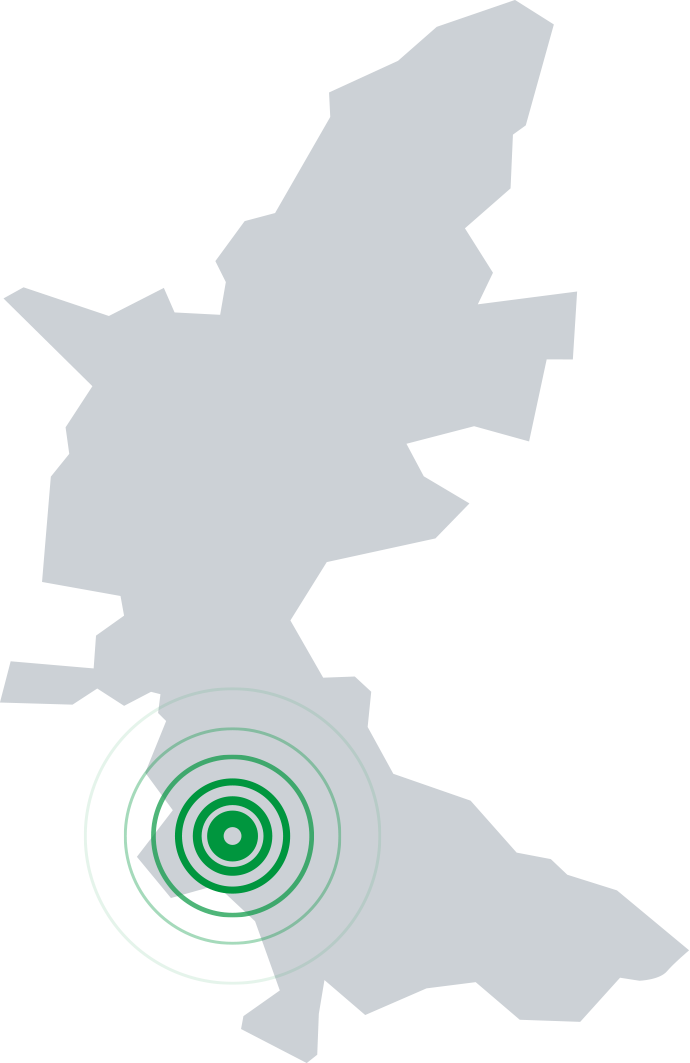
Gebiet
Stadtzentrum
Organizer
Friedrich-Schiller-Universität JenaandInstitut für Geowissenschaften
Digitalization, Industry 4.0, and robotics are also making their way into vocational and academic training at ZEISS. Our trainees and students will present their latest robot programming projects to you live.
Magnetic resonance imaging (MRI)—one of the most important imaging techniques—why does a scan take so long? Where do the noises come from? How strong is the static magnetic field?
Time
18:00 - 24:00 o'clock
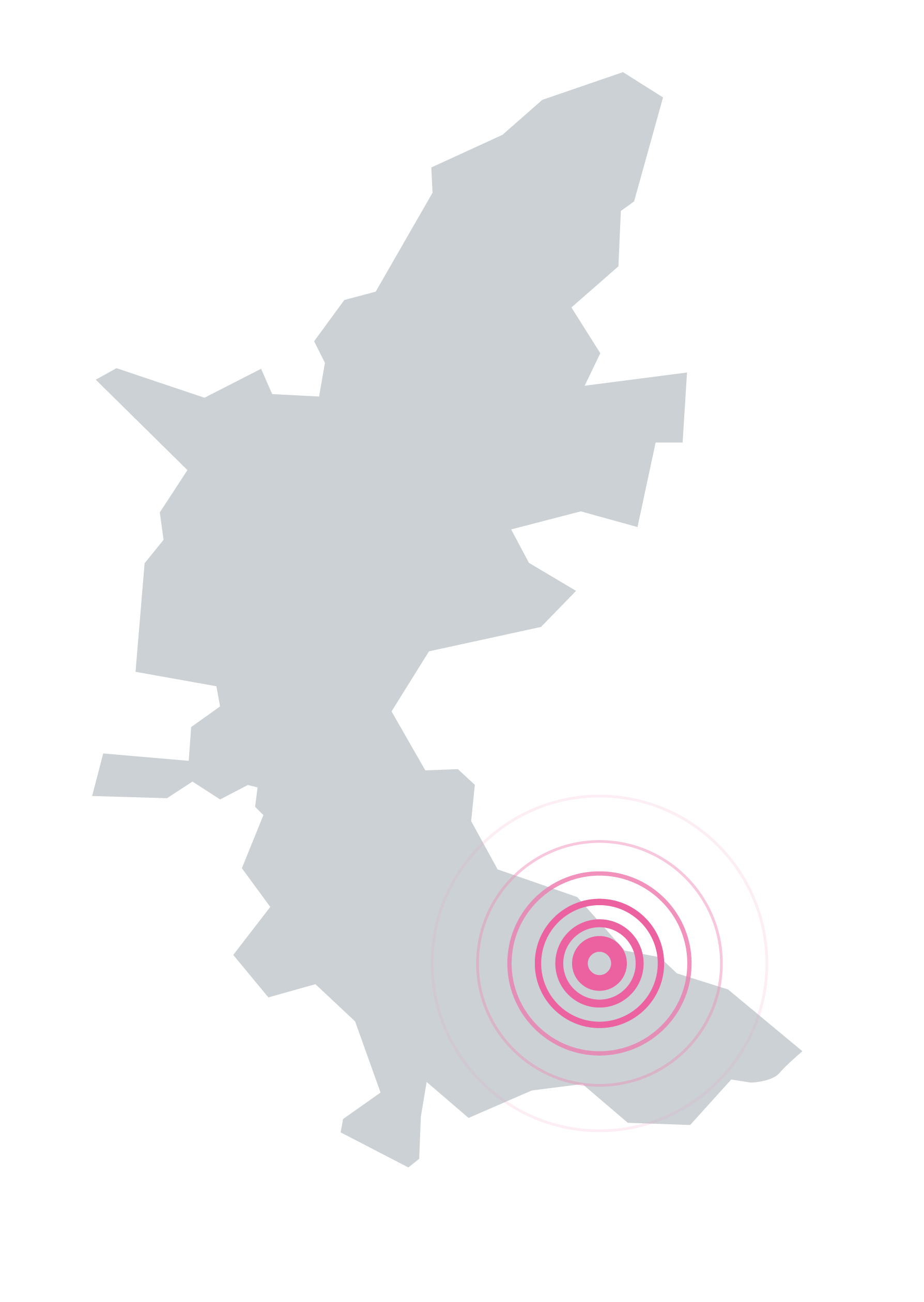
Gebiet
Lobeda
Organizer
Universitätsklinikum JenaandInstitut für Diagnostische und Interventionelle Radiologie
We provide fascinating insights into the latest research in pharmaceutical technology and show how innovative materials and manufacturing processes are helping to shape the medicine of tomorrow.
Time
18:00 - 23:00 o'clock
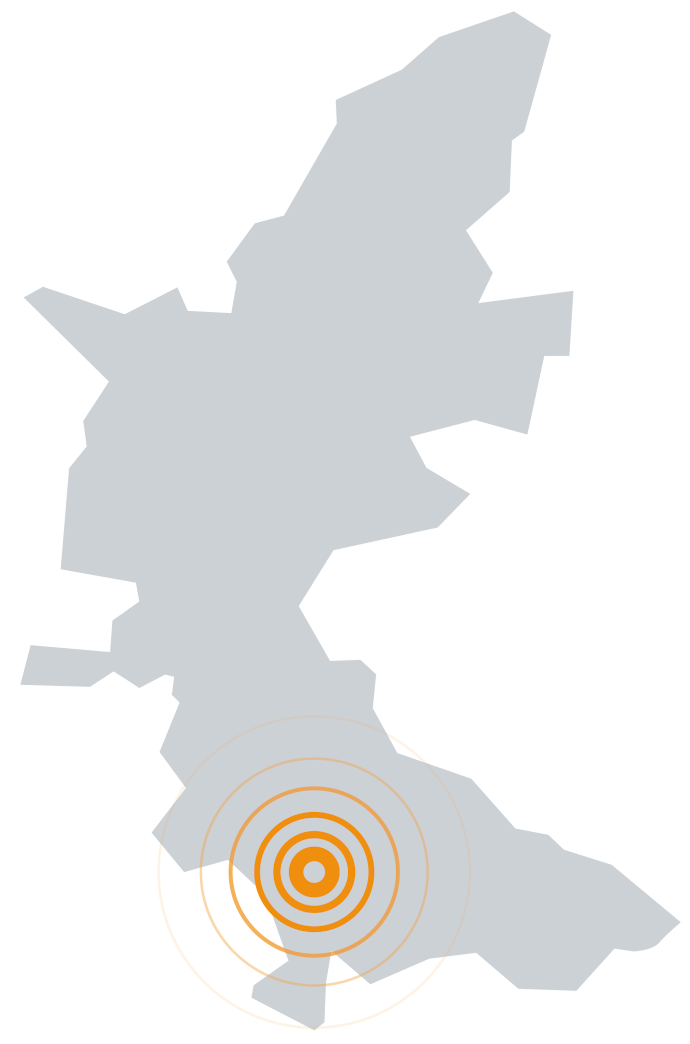
Gebiet
Stadtzentrum
Organizer
Friedrich-Schiller-Universität JenaandInstitut für Pharmazie
Dive into the fascinating world of bacteria! Discover lakes, oceans, garden soil, and plants from the perspective of tiny bacteria. With microscopes, games, and exciting experiments, you’ll experience hands-on research.
Time
18:00 - 23:30 o'clock
Gebiet
Stadtzentrum
Organizer
Friedrich-Schiller-Universität JenaandInstitut für Mikrobiologie
What do artificial intelligence, data, and digital methods have to do with research? Discover how digital technologies are transforming our science—and what is already possible today at the University of Jena.
Many living organisms use scents to communicate with one another. Although the human nose cannot detect many of these substances, we are still able to track them down and analyze them—with the help of state-of-the-art technology.
A mobile robot demonstrates fully autonomous inventory tracking of books and clothing items equipped with UHF RFID tags. A book believed to have been lost in a library is located, with an accuracy of within a few 10 cm.
Send digital data securely using “magical” light particles, or create images out of thin air! Researchers at Fraunhofer IOF are developing state-of-the-art systems to protect our data and diagnose diseases using quantum technologies.
Time
18:00 - 24:00 o'clock
Gebiet
Beutenberg Campus/ Carl-Zeiss-Promenade
Organizer
Fraunhofer-Institut für Angewandte Optik und Feinmechanik IOF