What will tomorrow’s energy supply look like—and what aspects of it are already a reality in Jena today? The City of Jena’s exhibition “ENERGY—WHAT MOVES US” provides answers to these and other questions about the energy transition.
The exhibition “Images of Science” features fascinating research images from the EAH Jena that are not only scientifically compelling but also aesthetically inspiring.
What role do relationships and personal resources play in our well-being? At the Resources and Connections Board, visitors can visualize their own experiences and discover new perspectives.
Time
18:00 - 23:00 o'clock
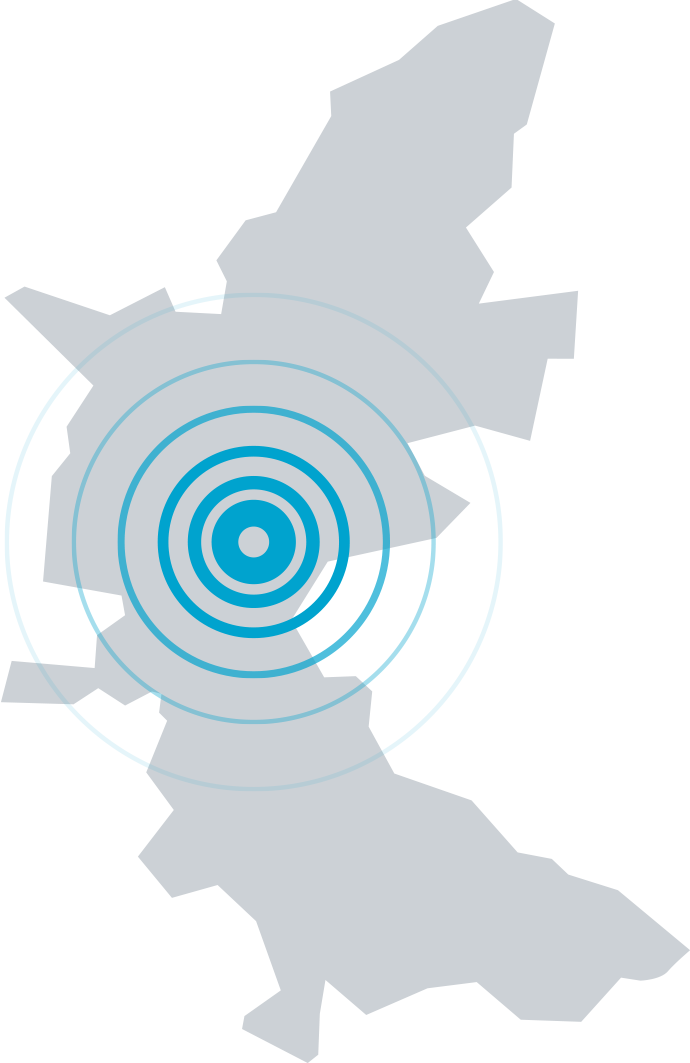
Gebiet
Stadtzentrum
Organizer
Friedrich-Schiller-Universität JenaandInstitut für Psychologie
Would you like to know what a biobank for human biological samples is? Would you like to find out and have a go at how biobank samples are prepared and stored? Then come along and join in!
Self-healing and shape-memory polymers, as well as polymers used as drug carriers, are the focus of current research, in which automation, digitalization, and AI are playing an increasingly important role.
Time
18:00 - 24:00 o'clock
Gebiet
Stadtzentrum
Organizer
Friedrich-Schiller-Universität JenaandInstitut für Organische Chemie und Makromolekulare Chemie
Making its debut! Take a look at the fascinating plant collection at the Haussknecht Herbarium. Discover what a plant specimen over 100 years old reveals about the future, and how AI is helping us unravel the mysteries of plants!
Time
18:00 - 21:30 o'clock
Gebiet
Stadtzentrum
Organizer
Friedrich-Schiller-Universität JenaandSenckenberg Institut für Pflanzenvielfalt Jena (SIP)
Bacteria and fungi produce numerous substances that are useful to us – and can even generate electricity. We’ll show you the process, from isolating a new microorganism from nature through to the pure active ingredient and electrical energy.
Time
18:00 - 24:00 o'clock
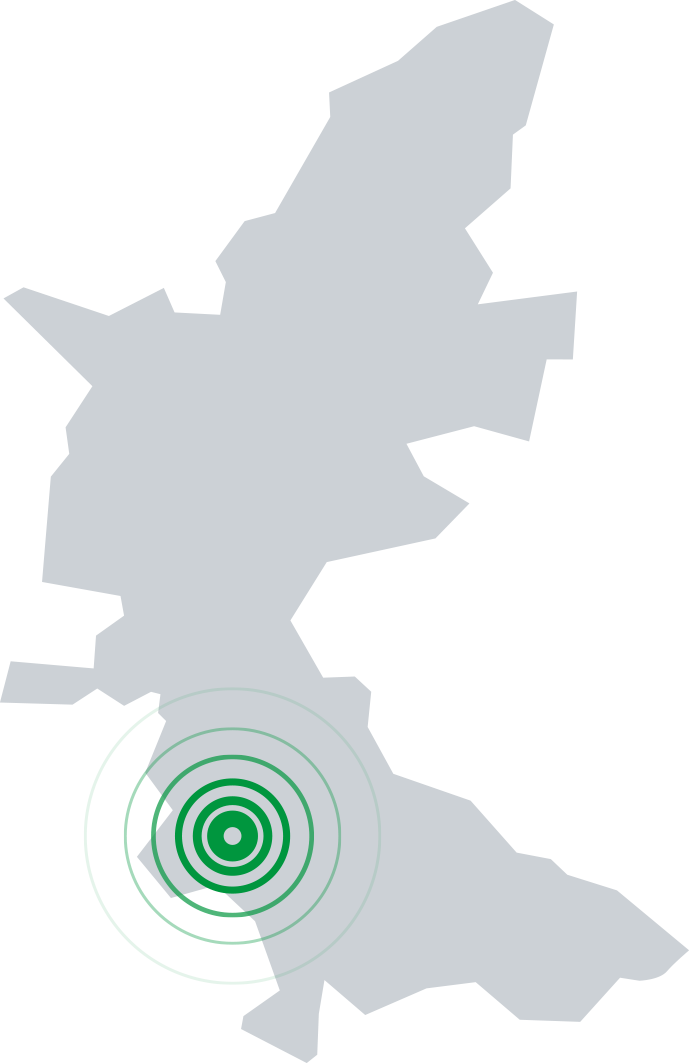
Gebiet
Beutenberg Campus/ Carl-Zeiss-Promenade
Organizer
Leibniz-Institut für Naturstoff-Forschung und Infektionsbiologie – Hans-Knöll-Institut
Artistically crafted specimens and easy-to-understand models convey the fundamentals of anatomy and offer fascinating insights into the body’s inner workings. The historical significance of this 200-year-old collection can be experienced, for example, through Goethe’s intermaxillary specimens.
Magnetic resonance imaging (MRI) – one of the most important imaging techniques – why does a scan take so long? Where do the noises come from? How strong is the static magnetic field?
Time
18:00 - 24:00 o'clock
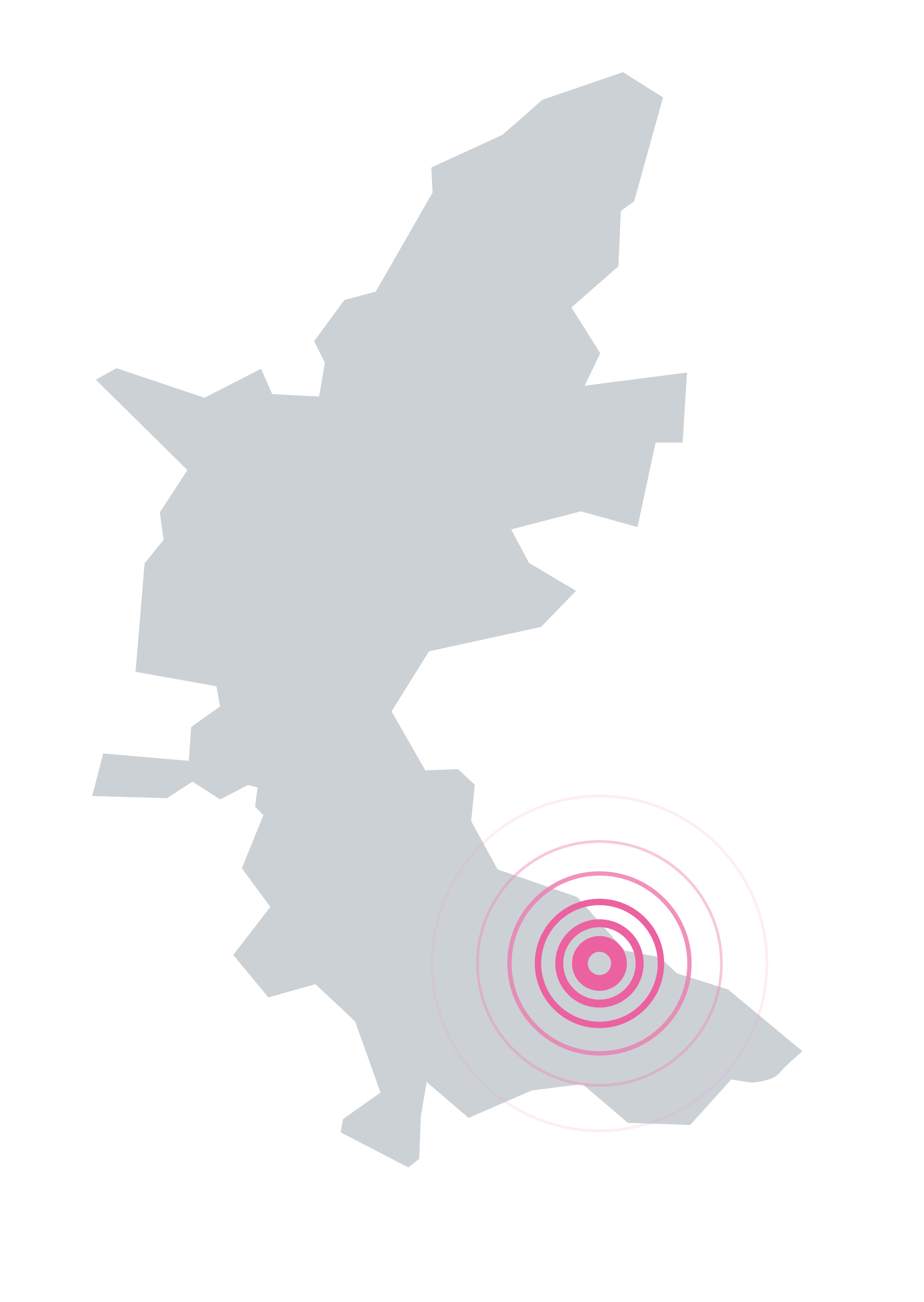
Gebiet
Lobeda
Organizer
Universitätsklinikum JenaandInstitut für Diagnostische und Interventionelle Radiologie